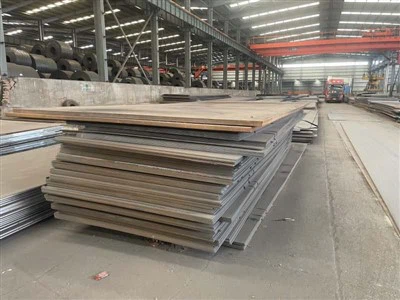
Hey there! I'm a supplier of Zinc-Plated Steel, and today I want to chat about the impact of zinc-plating on the conductivity of steel. It's a topic that might not seem super exciting at first glance, but it's actually pretty important, especially if you're in the market for zinc-plated steel products.
Let's start with the basics. Zinc-plating is a process where a layer of zinc is applied to the surface of steel. This is done mainly to protect the steel from corrosion. You see, zinc is more reactive than steel, so when it's exposed to the environment, the zinc corrodes first, acting as a sacrificial anode and shielding the underlying steel. It's like having a little bodyguard for your steel!
Now, when it comes to conductivity, things get a bit more interesting. Conductivity is all about how well a material allows an electric current to flow through it. Steel is a decent conductor of electricity, but what happens when we add a layer of zinc on top?
First off, zinc itself is a good conductor of electricity. It has a relatively low electrical resistance, which means electrons can move through it quite easily. However, the zinc layer on zinc-plated steel is usually very thin. This thin layer can have both positive and negative effects on the overall conductivity of the steel.
On the positive side, the zinc layer can enhance the surface conductivity. Since it's on the outside of the steel, it can provide an additional path for the electric current to flow. This can be beneficial in applications where surface conductivity is important, like in electrical grounding systems or some types of electronic components.
But there are also some potential drawbacks. The interface between the zinc layer and the steel can introduce some resistance. This is because there can be a small amount of oxidation or other chemical reactions at the boundary between the two metals. These reactions can create a thin layer of non-conductive material, which can impede the flow of electrons.
Another factor to consider is the thickness of the zinc layer. If the zinc layer is too thick, it can actually increase the overall resistance of the zinc-plated steel. This is because the longer the path the electrons have to travel through the zinc layer, the more resistance they'll encounter. On the other hand, if the zinc layer is too thin, it might not provide enough protection against corrosion, which could lead to problems down the line.
Let's talk about some real-world applications. In the construction industry, zinc-plated steel is often used for electrical wiring conduits. The enhanced surface conductivity can help ensure that the electrical current flows smoothly through the conduits. However, the potential resistance at the zinc-steel interface needs to be taken into account to avoid any issues with power transmission.
In the automotive industry, zinc-plated steel is used for various components, including body panels and electrical connectors. The corrosion protection provided by the zinc layer is crucial, but the conductivity of the steel is also important, especially for electrical systems. Engineers need to find the right balance between the thickness of the zinc layer and the overall conductivity of the component.
Now, I want to mention a couple of our products. We offer Dx51d Galvanized Steel Coil, which is a high-quality zinc-plated steel coil. It has a well-controlled zinc layer thickness, which helps to optimize both corrosion protection and conductivity. We also have Prepainted Steel Coil, which not only provides good conductivity but also has a nice finish that can enhance the appearance of your projects.
If you're in the market for zinc-plated steel products, it's important to understand how the zinc-plating process can affect the conductivity. You want to make sure you're getting a product that meets your specific requirements, whether it's for electrical applications or just general corrosion protection.
So, if you're interested in learning more about our zinc-plated steel products or have any questions about the impact of zinc-plating on conductivity, don't hesitate to reach out. We're here to help you find the right solution for your needs. Whether you're a small business owner, an engineer, or a DIY enthusiast, we've got the products and expertise to support you.


In conclusion, zinc-plating can have both positive and negative effects on the conductivity of steel. The key is to find the right balance between the thickness of the zinc layer, the quality of the zinc-steel interface, and the specific requirements of your application. By choosing high-quality zinc-plated steel products, you can ensure that you're getting the best of both worlds: excellent corrosion protection and good electrical conductivity.
References:
- Smith, J. (2018). The Science of Zinc-Plating. Metalworking Journal, 25(3), 45-52.
- Johnson, A. (2019). Conductivity of Zinc-Plated Metals in Electrical Applications. Electrical Engineering Review, 32(1), 12-18.