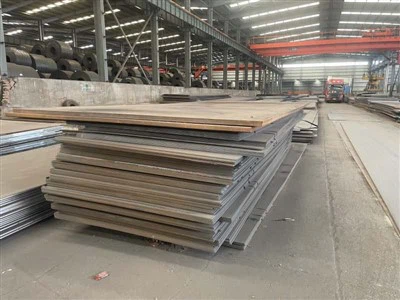
Water resistance is a crucial property when it comes to materials used in various applications, especially those exposed to moisture or wet environments. As a leading supplier of zinc-plated steel, I often get asked about the water resistance of this material. In this blog post, I'll delve into the details of what makes zinc-plated steel resistant to water and its implications for different industries.
Understanding Zinc-Plated Steel
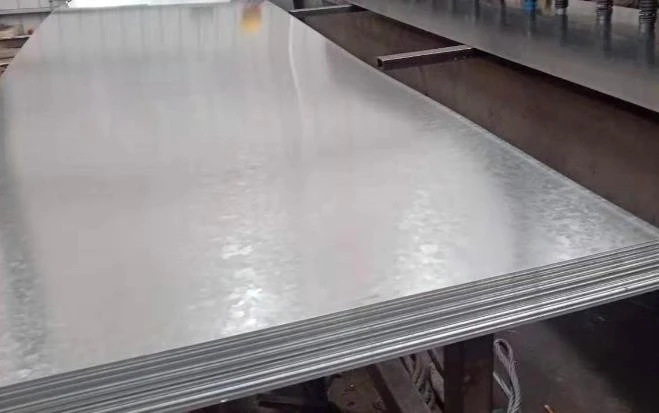
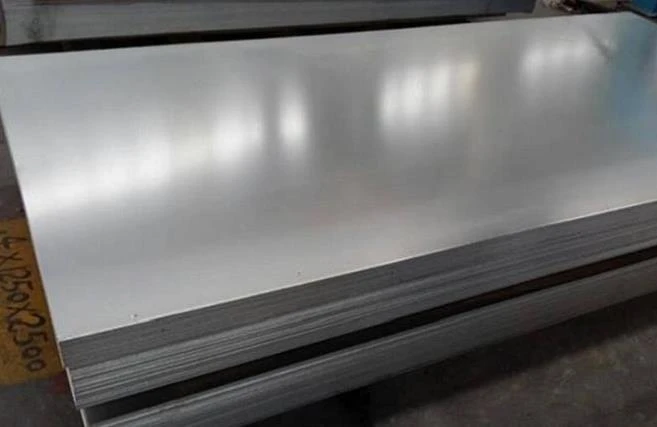
Zinc-plated steel is steel that has been coated with a layer of zinc through a process called galvanization. This coating serves as a protective barrier between the steel and the surrounding environment. There are two main methods of galvanization: hot-dip galvanizing and electroplating. Hot-dip galvanizing involves immersing the steel in a bath of molten zinc, resulting in a thick and durable zinc layer. Electroplating, on the other hand, uses an electric current to deposit a thin layer of zinc onto the steel surface.
How Zinc Protects Steel from Water
The primary mechanism by which zinc protects steel from water is through a process called cathodic protection. Zinc is more electrochemically active than steel, which means that when the two metals are in contact and exposed to an electrolyte (such as water), the zinc will corrode preferentially. This sacrificial corrosion of the zinc layer prevents the steel from rusting.
When water comes into contact with zinc-plated steel, a chemical reaction occurs. The zinc reacts with oxygen and water to form zinc hydroxide, which then reacts with carbon dioxide in the air to form a stable layer of zinc carbonate. This layer acts as a physical barrier, further protecting the underlying zinc and steel from corrosion.
Factors Affecting the Water Resistance of Zinc-Plated Steel
Several factors can influence the water resistance of zinc-plated steel:
-
Zinc Coating Thickness: Thicker zinc coatings generally provide better water resistance. Hot-dip galvanized steel typically has a thicker zinc layer compared to electroplated steel, making it more suitable for applications in harsh or wet environments. For example, Zinc Plate For Container often requires a thick zinc coating to withstand the rigors of transportation and storage in various weather conditions.
-
Environmental Conditions: The type and severity of the environment in which the zinc-plated steel is used can have a significant impact on its water resistance. Factors such as humidity, temperature, pH level of the water, and the presence of pollutants or chemicals can all affect the rate of corrosion. For instance, in coastal areas where the air contains saltwater droplets, the corrosion rate of zinc-plated steel may be higher compared to inland areas.
-
Surface Preparation: Proper surface preparation before galvanization is essential for ensuring good adhesion of the zinc coating. Any contaminants, such as oil, grease, or rust, on the steel surface can prevent the zinc from bonding properly, reducing the effectiveness of the coating.
-
Alloying Elements: Some zinc coatings may contain alloying elements such as aluminum. Aluminum-Zinc Plating can enhance the corrosion resistance of the zinc layer, providing better protection against water and other corrosive agents.
Applications of Zinc-Plated Steel Based on Water Resistance
Zinc-plated steel is widely used in various industries due to its excellent water resistance. Here are some common applications:
-
Construction: In the construction industry, zinc-plated steel is used for roofing, siding, gutters, and structural components. Its water resistance helps to prevent rust and corrosion, ensuring the longevity of the building. For example, DC51D Galvanized Steel Sheet is commonly used in roofing applications, providing a durable and weather-resistant solution.
-
Automotive: Zinc-plated steel is used in the automotive industry for parts such as body panels, chassis components, and fasteners. The water resistance of the zinc coating helps to protect these parts from rust and corrosion, improving the overall durability and safety of the vehicle.
-
Marine: In the marine industry, zinc-plated steel is used for boat fittings, dock structures, and offshore platforms. Its ability to resist water and saltwater corrosion makes it an ideal material for these applications.
-
Electrical: Zinc-plated steel is also used in the electrical industry for enclosures, cabinets, and mounting brackets. The water resistance of the material helps to protect the electrical components from moisture and corrosion, ensuring their proper functioning.
Testing the Water Resistance of Zinc-Plated Steel
To ensure the quality and water resistance of zinc-plated steel, various testing methods are available. Some common tests include:
-
Salt Spray Test: This test involves exposing the zinc-plated steel sample to a saltwater mist in a controlled environment for a specified period. The amount of corrosion on the sample is then evaluated to determine the effectiveness of the zinc coating.
-
Immersion Test: In this test, the sample is immersed in water or a specific electrolyte solution for a certain period. The corrosion rate is measured by weighing the sample before and after the test.
-
Electrochemical Impedance Spectroscopy (EIS): This technique measures the electrical resistance of the zinc coating and the underlying steel to determine the corrosion rate and the effectiveness of the coating.
Maintaining the Water Resistance of Zinc-Plated Steel
While zinc-plated steel offers excellent water resistance, proper maintenance is still required to ensure its long-term performance. Here are some tips:
-
Regular Inspection: Periodically inspect the zinc-plated steel for signs of corrosion or damage. If any areas of the zinc coating are damaged, they should be repaired or recoated as soon as possible to prevent the underlying steel from rusting.
-
Cleaning: Keep the zinc-plated steel clean by removing dirt, debris, and other contaminants. Use a mild detergent and water to clean the surface, and avoid using abrasive cleaners or tools that could damage the zinc coating.
-
Avoid Contact with Corrosive Substances: Try to avoid exposing the zinc-plated steel to chemicals, acids, or other corrosive substances. If contact does occur, rinse the surface thoroughly with water as soon as possible.
Conclusion
In conclusion, the water resistance of zinc-plated steel is a result of the sacrificial corrosion of the zinc layer and the formation of a protective zinc carbonate layer. The thickness of the zinc coating, environmental conditions, surface preparation, and alloying elements all play a role in determining the effectiveness of the water resistance. Zinc-plated steel is widely used in various industries due to its excellent water resistance, and proper testing and maintenance are essential to ensure its long-term performance.
If you're interested in purchasing high-quality zinc-plated steel for your project, I invite you to contact me for more information and to discuss your specific requirements. Our team of experts is dedicated to providing you with the best products and services to meet your needs.
References
- ASM Handbook Volume 13A: Corrosion: Fundamentals, Testing, and Protection. ASM International.
- Galvanizers Association. "Galvanizing - A Guide to Hot Dip Galvanizing."
- NACE International. "Corrosion Basics: An Introduction to Corrosion."