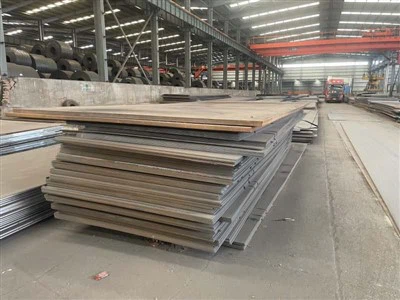
Hey there! As a supplier of ASME 516 GR.70 Plate Pressure Vessels, I often get asked about what surface finish is required for these bad boys. So, I thought I'd take a few minutes to break it down for you.
Understanding ASME 516 GR.70 Plate Pressure Vessels
First off, let's talk a bit about what ASME 516 GR.70 is. ASME 516 GR.70 is a type of steel plate that's commonly used in the construction of pressure vessels. These vessels are used in all sorts of industries, from oil and gas to chemical processing, and they need to be able to withstand high pressures and temperatures. A516 Gr 70 Steel is known for its good notch toughness and excellent weldability, which makes it a popular choice for pressure vessel applications.
Why Surface Finish Matters
The surface finish of a pressure vessel is super important. It's not just about making the vessel look pretty; it has a big impact on the vessel's performance and longevity. A proper surface finish can prevent corrosion, improve fatigue resistance, and ensure the integrity of the vessel over time.
Required Surface Finish for ASME 516 GR.70 Plate Pressure Vessels
So, what kind of surface finish is required for ASME 516 GR.70 Plate Pressure Vessels? Well, it depends on a few factors, such as the application, the operating environment, and the specific requirements of the project.
Mill Finish
In many cases, a mill finish is sufficient. A mill finish is the surface condition of the steel plate as it comes from the rolling mill. It's a relatively smooth finish, but it may have some minor imperfections, such as scale, rust, or mill marks. Mill finish is often used for internal surfaces of pressure vessels where appearance isn't a major concern, and the vessel will be protected by a coating or lining.
Pickled and Oiled Finish
For applications where a cleaner surface is required, a pickled and oiled finish may be used. Pickling is a process that involves removing the scale and rust from the surface of the steel plate using an acid solution. After pickling, the plate is rinsed and then coated with a thin layer of oil to prevent rusting. A pickled and oiled finish provides a smoother and more uniform surface than a mill finish, which can improve the adhesion of coatings and linings.
Ground Finish
In some cases, a ground finish may be required. Grinding is a process that uses abrasive wheels to remove material from the surface of the steel plate, resulting in a very smooth and flat finish. A ground finish is often used for external surfaces of pressure vessels where appearance is important, or for surfaces that will be in contact with other components or equipment.
Polished Finish
For applications where a high level of cleanliness and smoothness is required, a polished finish may be used. Polishing is a process that uses abrasive compounds to further smooth and shine the surface of the steel plate. A polished finish can provide a very smooth and reflective surface, which can be beneficial for applications where the vessel will be exposed to food, pharmaceuticals, or other sensitive materials.
Factors Affecting Surface Finish Requirements
As I mentioned earlier, the surface finish requirements for ASME 516 GR.70 Plate Pressure Vessels can vary depending on a few factors. Here are some of the key factors that can affect the surface finish requirements:
Application
The application of the pressure vessel is one of the most important factors to consider when determining the surface finish requirements. For example, if the vessel will be used to store food or pharmaceuticals, a high level of cleanliness and smoothness will be required to prevent contamination. On the other hand, if the vessel will be used in a less critical application, such as storing water or non-hazardous chemicals, a less stringent surface finish may be acceptable.
Operating Environment
The operating environment of the pressure vessel can also have a significant impact on the surface finish requirements. If the vessel will be exposed to corrosive substances, such as acids, alkalis, or saltwater, a surface finish that provides good corrosion resistance will be necessary. In addition, if the vessel will be operating at high temperatures or pressures, a surface finish that can withstand these conditions without degrading will be required.
Code and Standard Requirements
Finally, the code and standard requirements for the pressure vessel must also be considered when determining the surface finish requirements. ASME (American Society of Mechanical Engineers) and other organizations have established specific requirements for the surface finish of pressure vessels, depending on the application and the type of vessel. It's important to ensure that the surface finish of the pressure vessel complies with these requirements to ensure its safety and reliability.
Other Considerations
When it comes to surface finish for ASME 516 GR.70 Plate Pressure Vessels, there are a few other things to keep in mind.


Coating and Lining
In many cases, a coating or lining will be applied to the surface of the pressure vessel to provide additional protection against corrosion and wear. The type of coating or lining used will depend on the application and the operating environment of the vessel. It's important to choose a coating or lining that is compatible with the surface finish of the vessel and that provides the required level of protection.
Inspection and Testing
Once the surface finish of the pressure vessel has been applied, it's important to inspect and test the vessel to ensure that the surface finish meets the required specifications. This may involve visual inspection, surface roughness measurement, and other tests to ensure the integrity of the surface finish.
Conclusion
In conclusion, the surface finish requirements for ASME 516 GR.70 Plate Pressure Vessels can vary depending on a number of factors, including the application, the operating environment, and the code and standard requirements. Whether you need a mill finish, a pickled and oiled finish, a ground finish, or a polished finish, it's important to choose the right surface finish for your application to ensure the performance and longevity of your pressure vessel.
If you're in the market for ASME 516 GR.70 Plate Pressure Vessels and have questions about surface finish or any other aspect of our products, don't hesitate to reach out. We're here to help you find the right solution for your needs and can provide more detailed information about surface finish options and their suitability for your specific project.
References
- ASME Boiler and Pressure Vessel Code
- ASTM Standards
- Material properties and application guidelines for A516 Gr 70 Steel
- Technical details on ASTM A516 Gr 70 Temperature Range
- Information about EN 10028 – P275NH/NL1/NL2 Pressure Vessel Steel Plate
- Explanation of SA 516 Gr 70n Means
- Details about ASTM A516 Gr70 Boiler Plate