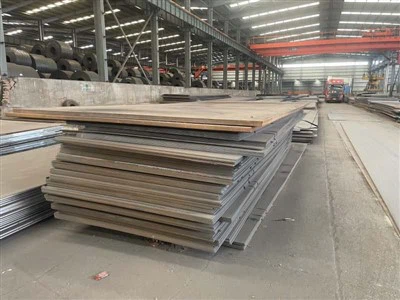
Hey there! As a supplier of EH36 steel plate approved by ABS, LR, and DNV for shipbuilding and offshore projects, I often get asked if this type of steel plate can be used for ship rudders. Well, let's dig into this topic and find out together.
First off, let's talk a bit about EH36 steel plate. EH36 is a high - strength, low - alloy steel. The "E" in EH36 indicates that it's suitable for use in low - temperature environments, which is super important for ships that might operate in cold waters. The "H" stands for high - strength, and 36 refers to its minimum yield strength of 36 ksi (or about 248 MPa). What makes EH36 special is that it has passed the rigorous approval processes of ABS (American Bureau of Shipping), LR (Lloyd's Register), and DNV (Det Norske Veritas). These organizations are like the quality police in the maritime industry. Their approvals mean that the steel plate meets a whole bunch of strict standards for safety, durability, and performance.
Now, when it comes to ship rudders, they are a critical part of a vessel. The rudder is what helps the ship steer, so it needs to be strong, reliable, and able to withstand a lot of stress. The forces acting on a rudder can be quite complex. There are hydrodynamic forces from the water flowing around the ship, as well as mechanical forces from the steering system.
One of the key factors in determining if EH36 can be used for rudders is its strength. The high - strength nature of EH36 makes it a great candidate. It can handle the significant loads that rudders experience during normal operation and even in rough seas. For example, when a ship makes a sharp turn, the rudder has to resist the strong forces trying to bend or break it. EH36's strength gives it the ability to do this without deforming.
Another important aspect is its toughness. In the cold waters where many ships operate, the material of the rudder needs to be tough enough to resist brittle fracture. EH36's low - temperature suitability means that it retains its toughness even in freezing conditions. This is crucial because a brittle rudder could crack under stress, which would be a major safety hazard for the ship.
Corrosion resistance is also a big deal. Ships are constantly exposed to seawater, which is extremely corrosive. EH36 steel can be properly treated and coated to enhance its corrosion resistance. With the right protective coatings, it can last a long time in the harsh marine environment, reducing the need for frequent repairs and replacements of the rudder.
However, it's not all smooth sailing. There are some considerations when using EH36 for rudders. One of them is the cost. EH36 steel is a high - quality material, and that comes with a higher price tag compared to some other types of steel. Shipbuilders need to weigh the benefits of using EH36 against the additional cost.
Another thing is the manufacturing process. Working with EH36 requires specialized equipment and skilled workers. For example, welding EH36 needs to be done with the right techniques and materials to ensure the integrity of the joint. If the welding is not done correctly, it could lead to weak spots in the rudder.
Now, let's compare EH36 with some other types of shipbuilding steel. You might be familiar with CCS Grade B Shipbuilding Steel Plate. CCS Grade B is a more common type of shipbuilding steel. It has lower strength and toughness compared to EH36. While it might be suitable for some less - critical parts of a ship, it may not be the best choice for rudders, especially for ships that operate in tough conditions.
AH36 Shipbuilding Steel Plate is another option. AH36 is also a high - strength steel, but it doesn't have the same low - temperature properties as EH36. So, for ships that go into cold waters, EH36 would have an edge.
Marine Steel Plate is a general term that can refer to different grades of steel for shipbuilding. EH36, with its specific approvals and characteristics, is a more refined choice for rudders.
In conclusion, EH36 steel plate approved by ABS, LR, and DNV can indeed be used for ship rudders. Its high strength, low - temperature toughness, and potential for good corrosion resistance make it a suitable material. However, shipbuilders need to consider factors like cost and manufacturing requirements.
If you're in the market for high - quality EH36 steel plate for your shipbuilding projects, especially for rudders, I'm here to help. I can provide you with the best EH36 steel that meets all the strict ABS, LR, and DNV standards. Just reach out to me, and we can start a discussion about your specific needs. Whether you're building a large cargo ship or a small fishing vessel, the right steel is crucial for the safety and performance of your ship.
References


- Maritime Standards Handbook by International Maritime Organization
- Steel for Shipbuilding: Properties and Applications by a group of industry experts