


When it comes to shipbuilding, the choice of steel plates is of utmost importance. AH36, DH36, and EH36 steel plates are among the most commonly used materials in the industry due to their excellent mechanical properties and weldability. As a supplier of AH36, DH36, EH36 Steel Plate For Shipbuilding, I have gained extensive knowledge about the transportation requirements of these steel plates. In this blog post, I will discuss the differences in transportation requirements between AH36, DH36, and EH36 steel plates for shipbuilding.
General Characteristics of AH36, DH36, and EH36 Steel Plates
Before delving into the transportation requirements, it is essential to understand the general characteristics of AH36, DH36, and EH36 steel plates. These steel plates are classified as high-strength, low-alloy (HSLA) steels, which are specifically designed for use in shipbuilding and offshore structures. They have a minimum yield strength of 355 MPa and excellent toughness, making them suitable for withstanding the harsh marine environment.
The main difference between AH36, DH36, and EH36 steel plates lies in their impact toughness at different temperatures. AH36 steel plates are designed to have good impact toughness at 0°C, while DH36 steel plates are required to have good impact toughness at -20°C. EH36 steel plates, on the other hand, are designed to have excellent impact toughness at -40°C. This difference in impact toughness is due to the addition of different alloying elements and the use of different heat treatment processes.

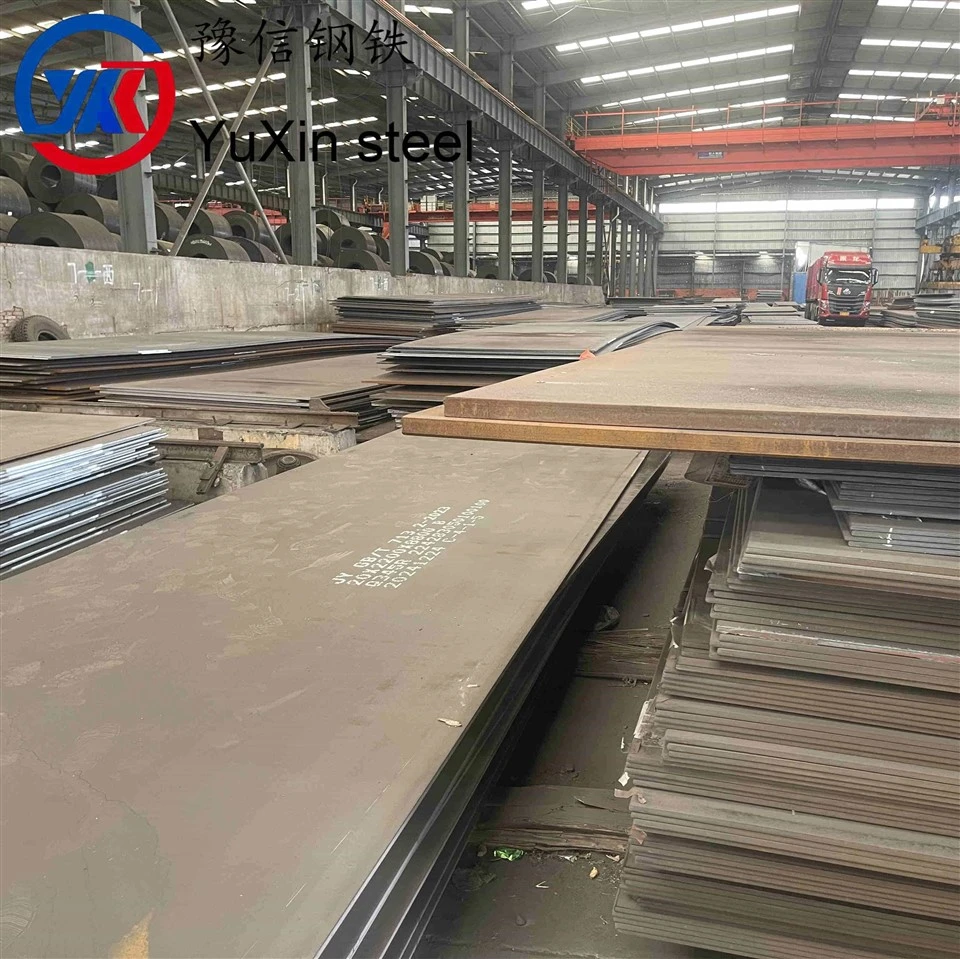
Transportation Requirements for AH36 Steel Plates
AH36 steel plates are the most commonly used steel plates in shipbuilding due to their relatively low cost and good performance. When transporting AH36 steel plates, the following requirements should be considered:
Packaging
AH36 steel plates should be properly packaged to prevent damage during transportation. The packaging should be strong enough to withstand the impact and vibration during handling and transportation. Common packaging methods include bundling, crating, and wrapping. Bundling is the most common method, where the steel plates are bundled together with steel straps or wire ropes. Crating is used for more delicate or valuable steel plates, where the plates are placed in wooden or metal crates. Wrapping is used for protecting the steel plates from moisture and corrosion, where the plates are wrapped with plastic film or anti-rust paper.
Loading and Unloading
When loading and unloading AH36 steel plates, it is important to use appropriate equipment to prevent damage to the plates. Forklifts, cranes, and hoists are commonly used for loading and unloading steel plates. The equipment should be properly maintained and operated by trained personnel to ensure safety. When using forklifts, the forks should be wide enough to support the entire width of the steel plates to prevent bending or warping. When using cranes and hoists, the lifting slings or hooks should be properly attached to the steel plates to prevent slipping or falling.
Transportation Mode
AH36 steel plates can be transported by various modes of transportation, including trucks, trains, and ships. The choice of transportation mode depends on the distance, quantity, and urgency of the delivery. Trucks are the most commonly used mode of transportation for short-distance deliveries, as they offer flexibility and convenience. Trains are suitable for long-distance deliveries, as they can transport large quantities of steel plates at a lower cost. Ships are used for international or intercontinental deliveries, as they can transport large quantities of steel plates across the ocean.
Protection from the Environment
During transportation, AH36 steel plates should be protected from the environment to prevent corrosion and damage. If the steel plates are transported by open trucks or trains, they should be covered with tarpaulins or plastic sheets to protect them from rain, snow, and sunlight. If the steel plates are transported by ships, they should be stored in a dry and ventilated area to prevent moisture accumulation and corrosion.
Transportation Requirements for DH36 Steel Plates
DH36 steel plates have higher impact toughness than AH36 steel plates, which makes them suitable for use in colder environments. When transporting DH36 steel plates, the following requirements should be considered in addition to the general requirements for AH36 steel plates:
Temperature Control
DH36 steel plates are required to have good impact toughness at -20°C. Therefore, during transportation, it is important to control the temperature of the steel plates to ensure that they do not experience excessive temperature fluctuations. If the steel plates are transported in cold weather, they should be insulated to prevent them from freezing. If the steel plates are transported in hot weather, they should be protected from direct sunlight to prevent them from overheating.
Special Handling
Due to their higher impact toughness, DH36 steel plates are more brittle than AH36 steel plates. Therefore, during handling and transportation, it is important to avoid sudden impacts or shocks to the steel plates. When loading and unloading DH36 steel plates, it is recommended to use soft slings or pads to prevent damage to the plates.
Transportation Requirements for EH36 Steel Plates
EH36 steel plates have the highest impact toughness among AH36, DH36, and EH36 steel plates, which makes them suitable for use in extremely cold environments. When transporting EH36 steel plates, the following requirements should be considered in addition to the general requirements for AH36 and DH36 steel plates:
Strict Temperature Control
EH36 steel plates are required to have excellent impact toughness at -40°C. Therefore, during transportation, it is crucial to maintain a stable temperature environment for the steel plates. Special temperature-controlled containers or insulated trucks may be required to ensure that the steel plates do not experience temperature fluctuations that could affect their mechanical properties.
Enhanced Protection
EH36 steel plates are more expensive and more brittle than AH36 and DH36 steel plates. Therefore, they require enhanced protection during transportation. In addition to proper packaging, the steel plates should be separated from each other by spacers to prevent scratching and damage. The transportation vehicle should also be carefully inspected to ensure that it is in good condition and free from any potential sources of damage.
Monitoring and Documentation
During transportation, it is important to monitor the temperature and condition of the EH36 steel plates. Temperature sensors can be installed in the transportation container to record the temperature history of the steel plates. In addition, detailed documentation of the transportation process, including the temperature, handling, and any incidents that occur, should be maintained for quality control and traceability purposes.
Conclusion
In conclusion, the transportation requirements for AH36, DH36, and EH36 steel plates for shipbuilding vary depending on their impact toughness and the environmental conditions during transportation. AH36 steel plates require basic packaging, proper loading and unloading, and protection from the environment. DH36 steel plates require temperature control and special handling due to their higher impact toughness. EH36 steel plates require strict temperature control, enhanced protection, and monitoring and documentation during transportation.
As a supplier of AH36, DH36, EH36 Steel Plate For Shipbuilding, I am committed to providing high-quality steel plates and ensuring that they are transported safely and efficiently. If you have any questions or need more information about the transportation requirements of these steel plates, or if you are interested in purchasing Shipbuilding Steel Plate or Steel Plate For Shipbuilding, please feel free to contact us for procurement and negotiation.
References
- ASTM International. (20XX). Standard Specification for Structural Steel for Ships. ASTM A131/A131M - XX.
- International Maritime Organization. (20XX). Guidelines for the Safe Transport of Steel Plates on Ships. IMO MSC/Circ.XXX.


