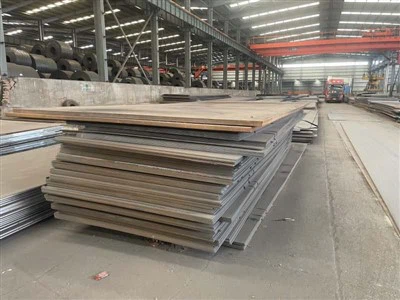
As a supplier of A36 steel, I often encounter inquiries about its certifications. A36 steel is one of the most commonly used carbon structural steels in the United States, known for its versatility and cost - effectiveness. In this blog post, I'll delve into what the certification for A36 steel entails and why it matters.
Understanding A36 Steel
Before we discuss the certification, let's briefly understand what A36 steel is. A36 Steel is a low - carbon steel with good strength and formability. It has a relatively low carbon content (typically around 0.20% maximum), which allows it to be easily welded, machined, and formed into various shapes. This makes it suitable for a wide range of applications, from construction and bridges to machinery and automotive parts.
The Role of ASTM in A36 Steel Certification
The primary certification for A36 steel comes from the American Society for Testing and Materials (ASTM). ASTM is a globally recognized organization that develops and publishes technical standards for a wide variety of materials, products, systems, and services. The standard for A36 steel is ASTM A36/A36M.
The ASTM A36/A36M standard specifies the requirements for carbon structural steel shapes, plates, and bars. These requirements cover chemical composition, mechanical properties, and testing methods. For example, in terms of chemical composition, the standard defines the allowable limits for elements such as carbon (C), manganese (Mn), phosphorus (P), sulfur (S), silicon (Si), and copper (Cu). The mechanical properties include requirements for yield strength, tensile strength, and elongation.
Chemical Composition Requirements
The chemical composition of A36 steel is crucial as it directly affects its properties. According to ASTM A36/A36M, the maximum carbon content is 0.26%, which helps maintain good weldability. Manganese content ranges from 0.85% to 1.20%, contributing to the steel's strength and hardness. Phosphorus and sulfur are limited to 0.04% each to ensure good ductility and reduce the risk of brittleness.


Mechanical Properties Requirements
The mechanical properties of A36 steel are also strictly regulated by the ASTM standard. The minimum yield strength is 36,000 psi (250 MPa), which means the steel can withstand a certain amount of stress before it starts to deform permanently. The minimum tensile strength is typically around 58,000 - 80,000 psi (400 - 550 MPa), indicating the steel's ability to resist being pulled apart. Elongation, measured as a percentage, should be at least 20% in a 2 - inch (50 mm) gage length, demonstrating the steel's ductility.
Testing and Certification Process
To obtain ASTM A36 certification, steel manufacturers must conduct a series of tests on their products. These tests include chemical analysis to verify the chemical composition and mechanical tests such as tension tests to measure the yield strength, tensile strength, and elongation.
The chemical analysis is usually performed using methods like spectrometry, which can accurately determine the concentration of different elements in the steel. Tension tests are carried out using a universal testing machine, where a sample of the steel is gradually pulled until it breaks, and the relevant mechanical properties are measured during the process.
Once the tests are completed and the results meet the requirements of ASTM A36/A36M, the manufacturer can issue a mill test report (MTR). The MTR is a document that provides detailed information about the steel, including its chemical composition, mechanical properties, heat treatment, and test results. It serves as proof of the steel's compliance with the ASTM standard and is an important document for buyers and end - users.
Comparison with Other Steels
It's also useful to compare A36 steel with some other similar steels in the market. For example, S355jr Low Alloy High Strength Steel Plate is a European standard steel. While both A36 and S355jr are used in structural applications, S355jr generally has a higher yield strength (355 MPa compared to the 250 MPa of A36). But A36 is more widely available in the US market and is often more cost - effective for many applications.
A516 Grade 70 Plate is another steel commonly used in pressure vessel applications. It has different chemical and mechanical requirements compared to A36. A516 Grade 70 is designed to have better notch toughness at low temperatures, making it suitable for applications where the vessel may be exposed to cold environments.
ASTM A283Grade C(A283GRC) Carbon Steel Plate has a lower strength compared to A36. Its yield strength is around 27,000 psi (186 MPa), and it is often used in applications where lower strength requirements are sufficient, such as in general construction for non - load - bearing components.
A572 Grade 50 Steel Plate is a high - strength, low - alloy steel. With a minimum yield strength of 50,000 psi (345 MPa), it is stronger than A36 and is commonly used in structural applications where higher strength - to - weight ratios are required, such as in high - rise buildings and bridges.
Why Certification Matters
Certification is of utmost importance when it comes to A36 steel. For buyers, it provides assurance that the steel they are purchasing meets the required quality and performance standards. In construction applications, using certified A36 steel ensures the safety and durability of the structure. Engineers and architects rely on the certified properties of the steel to design structures that can withstand the expected loads and environmental conditions.
For manufacturers, certification is a way to demonstrate their commitment to quality. It helps them gain the trust of customers and compete effectively in the market. A certified product is more likely to be selected by buyers, especially in industries where safety and reliability are critical.
Conclusion
In conclusion, the certification for A36 steel, mainly through the ASTM A36/A36M standard, is a comprehensive process that ensures the steel meets specific chemical and mechanical requirements. This certification is crucial for both buyers and manufacturers, providing quality assurance and market competitiveness.
If you are in the market for high - quality A36 steel, we are here to assist you. Our A36 steel products come with proper ASTM certification and detailed mill test reports. Whether you need A36 steel for construction, machinery, or other applications, we can provide you with the right solution. Contact us to discuss your specific requirements and start a successful procurement process.
References
- ASTM International. "ASTM A36/A36M - 21 Standard Specification for Carbon Structural Steel."
- Various steel manufacturing industry publications and technical resources.