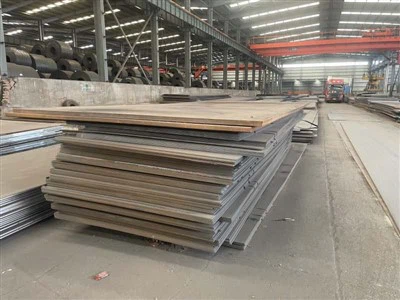
The shipbuilding industry is a cornerstone of global trade and transportation, and steel plates are the fundamental building blocks of ships. As a supplier of steel plates for shipbuilding, I have witnessed firsthand the dynamic nature of the market demands. In this blog, I will explore the various factors influencing the market demands for shipbuilding steel plates and how suppliers like us play a crucial role in meeting these needs.
Global Shipbuilding Trends and Their Impact on Steel Plate Demand
The global shipbuilding industry has been experiencing significant changes in recent years. The demand for different types of ships, such as container ships, bulk carriers, oil tankers, and cruise ships, is constantly evolving. For instance, the growth of e - commerce has led to an increased demand for container ships to transport goods across the world. On the other hand, the energy sector's requirements have influenced the demand for oil tankers and LNG carriers.
As the shipbuilding industry expands or contracts, so does the demand for steel plates. When there is a boom in shipbuilding, shipyards require large quantities of high - quality steel plates to construct new vessels. Conversely, during economic downturns or periods of overcapacity in the shipping market, the demand for new ships decreases, leading to a reduction in the need for steel plates.
Technical Requirements of Shipbuilding Steel Plates
Shipbuilding steel plates need to meet strict technical standards to ensure the safety and durability of ships. These standards are set by international classification societies such as the American Bureau of Shipping (ABS), Lloyd's Register (LR), Bureau Veritas (BV), and others.
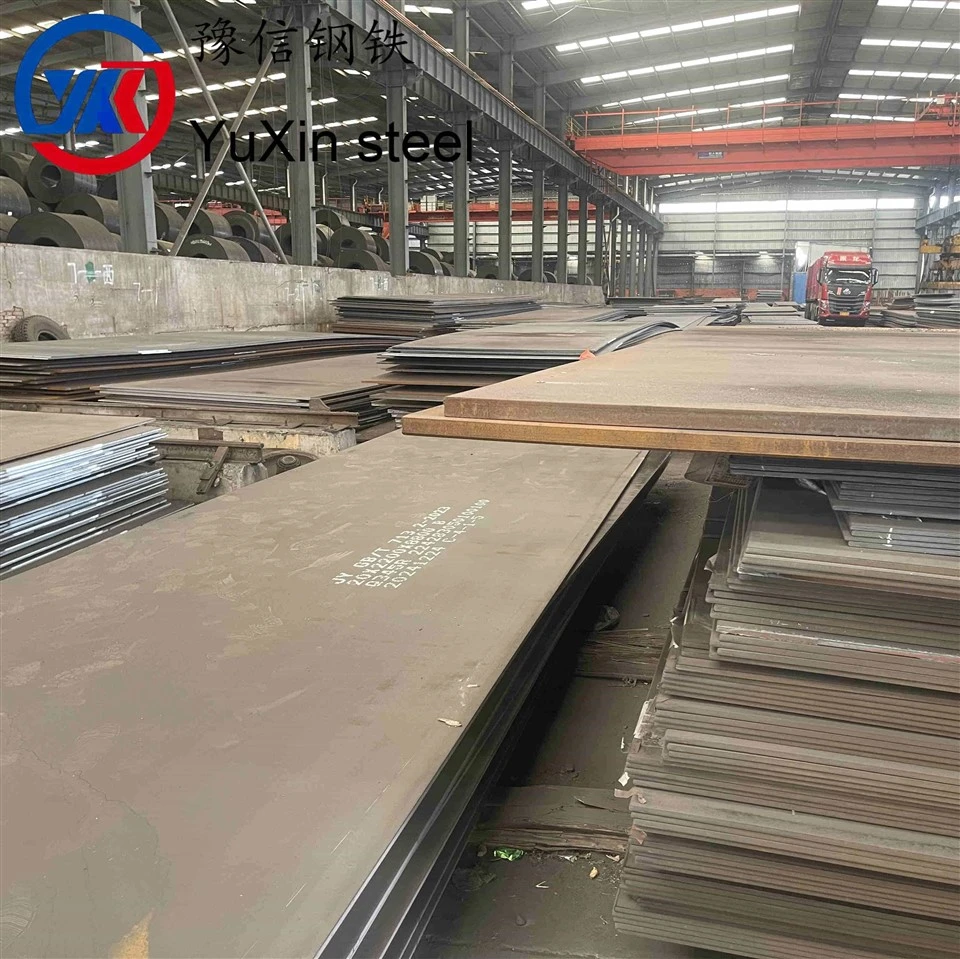

One of the key requirements is the strength of the steel plates. Different grades of steel are used depending on the type and size of the ship. For example, DH36 Shipbuilding Steel Plate Manufacturers A Large Number Of Stock is a high - strength steel plate commonly used in the construction of large ships. It offers excellent yield strength and toughness, which are essential for withstanding the harsh marine environment, including high waves, strong winds, and corrosive seawater.
Another important aspect is the weldability of the steel plates. Welding is a critical process in shipbuilding, and the steel plates must be able to be welded easily without compromising their mechanical properties. Steel plates with good weldability ensure the integrity of the ship's structure during the construction process.
Environmental and Regulatory Factors
In recent years, environmental and regulatory factors have had a significant impact on the market demands for shipbuilding steel plates. The International Maritime Organization (IMO) has introduced strict regulations to reduce the environmental impact of ships, such as limits on sulfur emissions and requirements for ballast water treatment.
These regulations have led to the development of new ship designs and technologies, which in turn require different types of steel plates. For example, ships need to be more fuel - efficient, and this may involve the use of lighter and stronger steel plates to reduce the overall weight of the vessel. Additionally, corrosion - resistant steel plates are in high demand to meet the requirements of long - term operation in the marine environment and to reduce maintenance costs.
Market Competition and Price Sensitivity
The market for shipbuilding steel plates is highly competitive. There are numerous suppliers around the world, each offering different grades and qualities of steel plates. Shipyards are often price - sensitive, especially during periods of economic uncertainty. They will compare prices from different suppliers and look for the best value for money.
As a supplier, we need to balance the quality of our steel plates with the price. We invest in advanced manufacturing technologies to improve production efficiency and reduce costs without sacrificing quality. At the same time, we offer a wide range of products, including EH32 Shipbuilding Steel Plate, FH36 Shipbuilding Steel Plate, and ASTM A131 / BV / LR Grade B Shipbuilding Steel Plate, to meet the diverse needs of shipyards.
Regional Market Demands
The demand for shipbuilding steel plates also varies by region. Asia, particularly China, South Korea, and Japan, is the leading shipbuilding region in the world. These countries have large shipyards and a high demand for steel plates. China, in particular, has a strong domestic shipbuilding industry and is also a major exporter of ships.
Europe also has a significant shipbuilding industry, especially in countries like Germany, Norway, and Italy. European shipyards often focus on high - end and specialized ships, such as luxury cruise ships and offshore vessels. They require high - quality steel plates that meet strict European standards.
In North America, the shipbuilding industry is mainly driven by military and commercial vessel construction. The demand for steel plates in this region is influenced by government policies and defense spending.
Future Outlook
Looking ahead, the market for shipbuilding steel plates is expected to continue to evolve. The increasing demand for sustainable and environmentally friendly ships will drive the development of new steel plate technologies. For example, the use of advanced high - strength steels and corrosion - resistant coatings will become more widespread.
The growth of the offshore energy sector, including the development of wind farms and oil and gas exploration in deeper waters, will also create new opportunities for the shipbuilding steel plate market. Offshore support vessels and floating production platforms require specialized steel plates with high strength and corrosion resistance.
As a supplier of Shipbuilding Steel Plate, we are committed to staying at the forefront of these technological advancements. We continuously invest in research and development to improve the quality and performance of our products. We also work closely with shipyards to understand their needs and provide customized solutions.
Conclusion
The market demands for shipbuilding steel plates are influenced by a variety of factors, including global shipbuilding trends, technical requirements, environmental and regulatory factors, market competition, and regional differences. As a supplier, we need to be aware of these factors and adapt our business strategies accordingly.
If you are a shipyard or a company in the shipbuilding industry and are looking for high - quality shipbuilding steel plates, we would be more than happy to discuss your requirements. We have a wide range of products and a team of experts who can provide you with professional advice and solutions. Contact us to start a procurement negotiation and let us work together to build the ships of the future.
References
- International Maritime Organization (IMO) regulations and guidelines.
- Reports from major shipbuilding industry associations and research institutions.
- Technical standards of international classification societies such as ABS, LR, and BV.