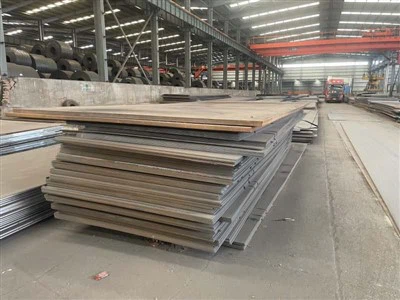
Hey there, folks! I'm a supplier of DVN D40 Shipbuilding Steel Plate, and today I wanna dive into a question that often pops up: Can DVN D40 Shipbuilding Steel Plate be cut easily?
First off, let's get a bit of background on DVN D40. It's a high - quality steel plate specifically designed for shipbuilding. This steel is known for its excellent strength, toughness, and corrosion resistance, which are crucial properties when you're building a ship that has to withstand the harsh marine environment.
But when it comes to cutting, things aren't as straightforward as you might think. The ease of cutting any steel plate depends on several factors, and DVN D40 is no exception.
1. Material Properties of DVN D40
The chemical composition of DVN D40 plays a huge role in its cuttability. It contains elements like carbon, manganese, silicon, and small amounts of other alloying elements. Carbon is a key factor here. A higher carbon content generally means the steel is harder, but it also makes it more difficult to cut. DVN D40 has a controlled carbon content to balance strength and other properties, but it still has enough carbon to make cutting a bit of a challenge.
Manganese helps improve the steel's strength and toughness. While it's great for the overall performance of the shipbuilding plate, it can also increase the hardness of the steel, which in turn affects how easily it can be cut.
2. Cutting Methods
There are several common cutting methods for steel plates, and each has its own pros and cons when it comes to DVN D40.
Flame Cutting
Flame cutting is a traditional method that uses oxygen and a fuel gas (like acetylene or propane) to create a high - temperature flame that melts and removes the steel. For DVN D40, flame cutting can work, but it has some limitations. Since DVN D40 is relatively hard, it may require a bit more pre - heating compared to softer steels. The pre - heating helps to reduce the hardness of the steel in the cutting area, making it easier for the flame to melt and cut through. However, if the pre - heating isn't done correctly, it can lead to issues like cracking or uneven cuts.
Plasma Cutting
Plasma cutting is another popular option. It uses a high - velocity jet of ionized gas (plasma) to cut through the steel. Plasma cutting is generally faster than flame cutting and can provide a cleaner cut. When it comes to DVN D40, plasma cutting can be a good choice, especially for thinner plates. The high energy of the plasma can quickly melt through the steel, even with its relatively high hardness. However, for thicker DVN D40 plates, the cutting speed may need to be adjusted, and the quality of the cut may be affected by factors like the power of the plasma cutter and the type of gas used.
Laser Cutting
Laser cutting is a precise and efficient method. It uses a high - intensity laser beam to melt and vaporize the steel. Laser cutting can provide very accurate cuts with a small heat - affected zone. For DVN D40, laser cutting can work well, but it also has its challenges. The high hardness of the steel may require a more powerful laser to ensure a clean and efficient cut. Additionally, laser cutting is more suitable for thinner plates, and the cost of laser cutting equipment can be relatively high.
3. Plate Thickness
The thickness of the DVN D40 Shipbuilding Steel Plate also has a big impact on its cuttability. Thinner plates are generally easier to cut than thicker ones, regardless of the cutting method.
For thin DVN D40 plates (say, less than 10 mm), all three cutting methods - flame, plasma, and laser - can work quite well. The cutting process is relatively quick, and the quality of the cut can be easily controlled.
However, as the plate thickness increases, the difficulty of cutting also goes up. Thicker DVN D40 plates (over 50 mm, for example) require more powerful cutting equipment, longer pre - heating times (for flame cutting), or more energy (for plasma and laser cutting). The heat generated during the cutting process can also cause more stress and distortion in thicker plates, which needs to be carefully managed.
How DVN D40 Compares with Other Shipbuilding Steel Plates
Let's take a quick look at how DVN D40 compares with some other popular shipbuilding steel plates in terms of cuttability.
- EH36 Steel Plate ABS/LR/DNV Approved for Shipbuilding & Offshore: EH36 is also a high - strength steel plate commonly used in shipbuilding. It has similar properties to DVN D40 in terms of strength and toughness. However, the chemical composition of EH36 may vary slightly, which can affect its cuttability. In general, if the carbon and alloying element content in EH36 is a bit lower than that in DVN D40, it may be slightly easier to cut.
- EH32 Shipbuilding Steel Plate: EH32 is a lower - strength steel compared to DVN D40. It usually has a lower carbon content, which means it's generally easier to cut. Flame, plasma, and laser cutting can be carried out more smoothly on EH32 plates, especially when it comes to thicker plates.
- EH40 Shipbuilding Steel Plate: EH40 has a higher strength than EH32 and is closer to DVN D40 in terms of strength. Similar to DVN D40, the higher strength of EH40 is due to its chemical composition, which can make cutting a bit more difficult. However, the exact cuttability depends on the specific manufacturing process and the cutting conditions.
- Shipbuilding Steel Plate: This is a general term that covers a wide range of shipbuilding steel plates. DVN D40 is just one type of them. Compared to some common, lower - strength shipbuilding steel plates, DVN D40 is more difficult to cut because of its superior strength and hardness.
- Grade D Shipbuilding Steel Plate: Grade D is a relatively lower - grade shipbuilding steel. It has a lower carbon content and less alloying elements compared to DVN D40. As a result, Grade D steel plates are much easier to cut using all the common cutting methods.
Conclusion
So, can DVN D40 Shipbuilding Steel Plate be cut easily? Well, the answer is it depends. While it's not as easy to cut as some lower - strength and lower - hardness shipbuilding steel plates, with the right cutting methods, proper equipment, and appropriate cutting parameters, it can be cut effectively.

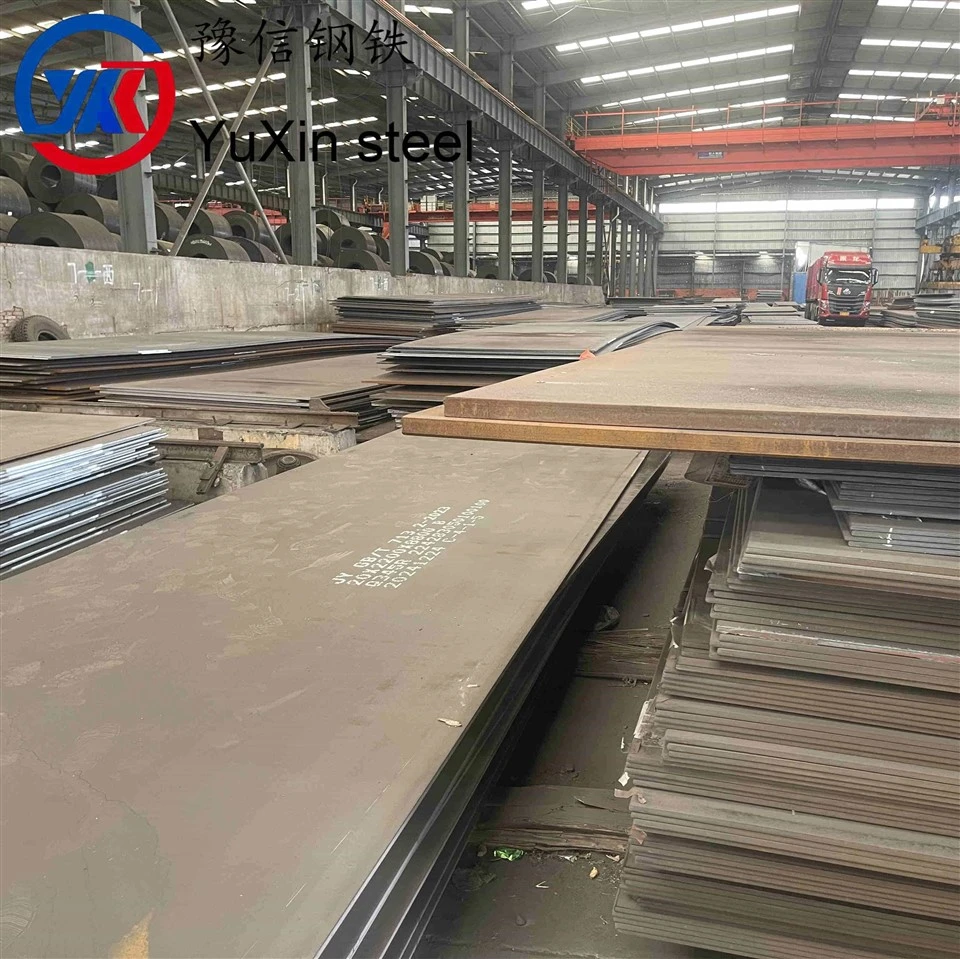
Whether you're using flame cutting, plasma cutting, or laser cutting, you need to take into account the material properties of DVN D40, the plate thickness, and the specific requirements of your project.
If you're in the market for DVN D40 Shipbuilding Steel Plate or have any questions about its cutting or other aspects, feel free to reach out. I'm here to help you make the best choice for your shipbuilding needs. Let's start a great business partnership and build some amazing ships together!
References
- Shipbuilding Steel Handbook
- Steel Manufacturing and Processing Journals
- Technical Documents from Steel Industry Associations