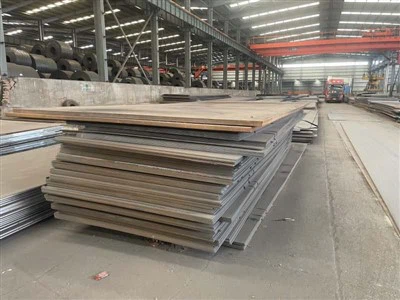
The surface roughness of ABS Grade A Steel Plate plays a crucial role in various applications, especially in the shipbuilding industry. As a reliable supplier of ABS Grade A Steel Plate, I understand the importance of controlling the surface roughness to meet the high - quality requirements of our customers. In this blog, I will share some effective ways to control the surface roughness of ABS Grade A Steel Plate.
Understanding Surface Roughness
Surface roughness refers to the micro - geometric shape error of the machined surface. It is usually caused by factors such as the tool's cutting edge shape, the feed rate during machining, and the vibration of the machining system. In the case of ABS Grade A Steel Plate, proper surface roughness is essential for improving the corrosion resistance, enhancing the fatigue strength, and ensuring a good fit with other components in shipbuilding and other related industries.
Factors Affecting the Surface Roughness of ABS Grade A Steel Plate
1. Material Properties
The mechanical properties of ABS Grade A Steel Plate, such as its hardness and ductility, have a significant influence on surface roughness. Harder steel generally requires more precise machining to achieve a good surface finish. For example, if the steel has inconsistent hardness due to improper heat treatment, it may lead to uneven cutting and increased surface roughness.


2. Machining Parameters
- Cutting Speed: A higher cutting speed can reduce the built - up edge formation during machining, which is beneficial for reducing surface roughness. However, an excessively high cutting speed may cause over - heating and tool wear, which can in turn increase the surface roughness.
- Feed Rate: The feed rate determines the amount of material removed per revolution of the tool. A higher feed rate will leave deeper cutting marks on the steel plate surface, resulting in a rougher surface. Therefore, a proper feed rate should be selected according to the specific requirements of surface roughness and machining efficiency.
- Depth of Cut: A larger depth of cut can increase the cutting force and vibration, leading to a rougher surface. To control the surface roughness, the depth of cut should be carefully adjusted based on the tool's capabilities and the material properties of the steel plate.
3. Tool Geometry and Wear
- Cutting Edge Radius: A smaller cutting edge radius can produce a smoother surface finish. Tools with sharp cutting edges can cut the material more precisely, reducing the formation of burrs and uneven surfaces.
- Tool Wear: As the tool wears during the machining process, its cutting performance deteriorates. Worn - out tools can cause more significant surface damage, such as tearing and chipping, which will increase the surface roughness. Regular tool inspection and replacement are necessary to maintain a good surface finish.
4. Machining Environment
- Coolant and Lubricant: Using appropriate coolants and lubricants can reduce the cutting temperature, friction, and tool wear. They can also help to flush away the chips from the machining area, preventing them from scratching the steel plate surface and thus reducing the surface roughness.
- Vibration: Vibration during machining can cause irregular cutting marks on the steel plate surface. It can be caused by factors such as improper machine tool installation, unbalanced cutting tools, or excessive cutting forces. Minimizing vibration through proper machine tool maintenance and optimization of machining parameters is crucial for controlling surface roughness.
Methods to Control the Surface Roughness
1. Optimize Machining Parameters
- Select Appropriate Cutting Speed: Based on the material properties of ABS Grade A Steel Plate and the type of cutting tool, an optimal cutting speed should be determined. Generally, for finishing operations, a relatively high cutting speed is preferred to achieve a smooth surface.
- Adjust Feed Rate and Depth of Cut: For a better surface finish, a lower feed rate and a smaller depth of cut are recommended during the finishing process. However, this may reduce the machining efficiency, so a balance needs to be struck between surface quality and productivity.
2. Use High - Quality Cutting Tools
- Choose the Right Tool Material: Carbide tools are often a good choice for machining ABS Grade A Steel Plate due to their high hardness and wear resistance. They can maintain a sharp cutting edge for a longer time, resulting in a better surface finish.
- Maintain Tool Geometry: Regularly grind and inspect the cutting tools to ensure their proper geometry. Worn - out or damaged tools should be replaced immediately to prevent surface roughness issues.
3. Improve the Machining Environment
- Apply Coolant and Lubricant Properly: Select the appropriate coolant and lubricant according to the machining process and the material of the steel plate. Ensure that the coolant is applied at the right flow rate and pressure to effectively reduce the cutting temperature and friction.
- Reduce Vibration: Check and improve the machine tool's installation and alignment. Use vibration - damping devices if necessary. Also, balance the cutting tools to minimize vibration during machining.
4. Quality Control and Inspection
- Regular Inspection: Establish a regular inspection system for the steel plate surface. Use surface roughness measuring instruments, such as profilometers, to measure the surface roughness during and after machining. This allows for timely detection of any non - compliant surface roughness and adjustment of the machining process if needed.
- Process Optimization: Based on the inspection results, continuously optimize the machining process. Analyze the causes of excessive surface roughness and make corresponding adjustments to the machining parameters, tool selection, or machining environment.
Surface Roughness Requirements in Shipbuilding
In the shipbuilding industry, the ABS Grade A Steel Plate is widely used. The surface roughness of the steel plate affects not only the appearance but also the performance of the ship. AH36, DH36, EH36 Steel Plate For Shipbuilding and EH36 Shipbuilding Steel plate also need to meet strict surface roughness requirements. These high - strength steel plates are used in critical parts of the ship, such as the hull structure. A proper surface roughness ensures a good weldability and a better fit with other components, which is crucial for the safety and reliability of the ship. Similarly, ABS AH32 DH32 EH36 Shipbuilding Steel Plate, DVN D40 Shipbuilding Steel Plate, and D36 Shipbuilding Steel Plate all require precise control of surface roughness to meet the complex and harsh working conditions of the ship.
Why Choose Our ABS Grade A Steel Plate
As a professional supplier, we have extensive experience in producing ABS Grade A Steel Plate with excellent surface quality. We use advanced machining technologies and high - quality cutting tools to ensure strict control of surface roughness. Our quality control system allows us to detect and correct any surface - related issues in a timely manner. Moreover, we offer customized solutions according to the specific requirements of our customers, ensuring that the surface roughness of our steel plates meets or exceeds industry standards.
Contact Us for Purchase
If you are in need of ABS Grade A Steel Plate with a well - controlled surface roughness, please feel free to contact us for further discussion. We are committed to providing you with high - quality products and professional services.
References
- Smith, J. (2018). Machining Technology for Steel Plates. Industrial Press.
- Brown, A. (2019). Surface Quality Control in Shipbuilding Steel Production. Journal of Shipbuilding Materials.
- Johnson, R. (2020). Advanced Cutting Tools for Steel Machining. Machining Science and Technology.