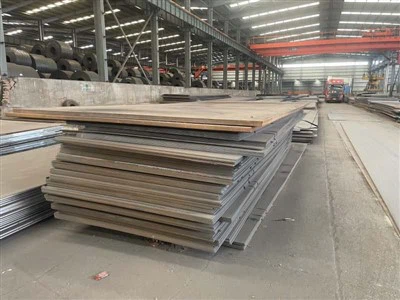
As a supplier of steel plates for shipbuilding, ensuring the quality of our products is not just a commitment but a cornerstone of our business. Shipbuilding is a high - stakes industry where the safety and performance of vessels depend heavily on the quality of the steel plates used. In this blog, I will share some key aspects of how we ensure the top - notch quality of steel plates for shipbuilding.
1. Raw Material Sourcing
The quality of steel plates starts with the raw materials. We have established a rigorous raw material sourcing process. Our team of experts carefully selects iron ore, scrap metals, and other alloying elements from reliable suppliers. We conduct thorough inspections of the incoming raw materials, checking for chemical composition, physical properties, and purity.
For instance, we require that the iron ore has a high iron content and low levels of impurities such as sulfur and phosphorus. These impurities can have a detrimental effect on the mechanical properties of the steel, reducing its strength and ductility. By sourcing high - quality raw materials, we lay a solid foundation for producing high - quality shipbuilding steel plates.
2. Advanced Manufacturing Processes
We invest heavily in advanced manufacturing technologies to ensure the quality of our steel plates. Our production facilities are equipped with state - of - the - art equipment, including electric arc furnaces, continuous casting machines, and rolling mills.
The electric arc furnace is used to melt the raw materials and refine the steel. We precisely control the temperature, oxygen content, and other parameters during the melting process to ensure the desired chemical composition of the steel. Continuous casting technology allows us to produce high - quality steel billets with uniform structure and density.
The rolling process is also crucial. We use precision rolling mills to shape the steel billets into plates of the required thickness and dimensions. During rolling, we carefully control the rolling speed, reduction ratio, and temperature to ensure the proper grain structure and mechanical properties of the steel plates.
3. Stringent Quality Control Checks
Quality control is an integral part of our production process. We have a comprehensive quality control system in place that covers every stage of production, from raw material inspection to the final product.
At the raw material stage, we use advanced analytical techniques such as spectroscopy to determine the chemical composition of the incoming materials. This ensures that the materials meet our strict quality standards.
During the manufacturing process, we conduct in - process inspections at regular intervals. We check the dimensions, surface quality, and mechanical properties of the steel plates. Non - destructive testing methods, such as ultrasonic testing and magnetic particle testing, are used to detect any internal or surface defects in the plates.
For example, ultrasonic testing can detect internal flaws such as cracks or voids in the steel plates. If a defect is detected, the plate is immediately removed from the production line and either repaired or discarded.

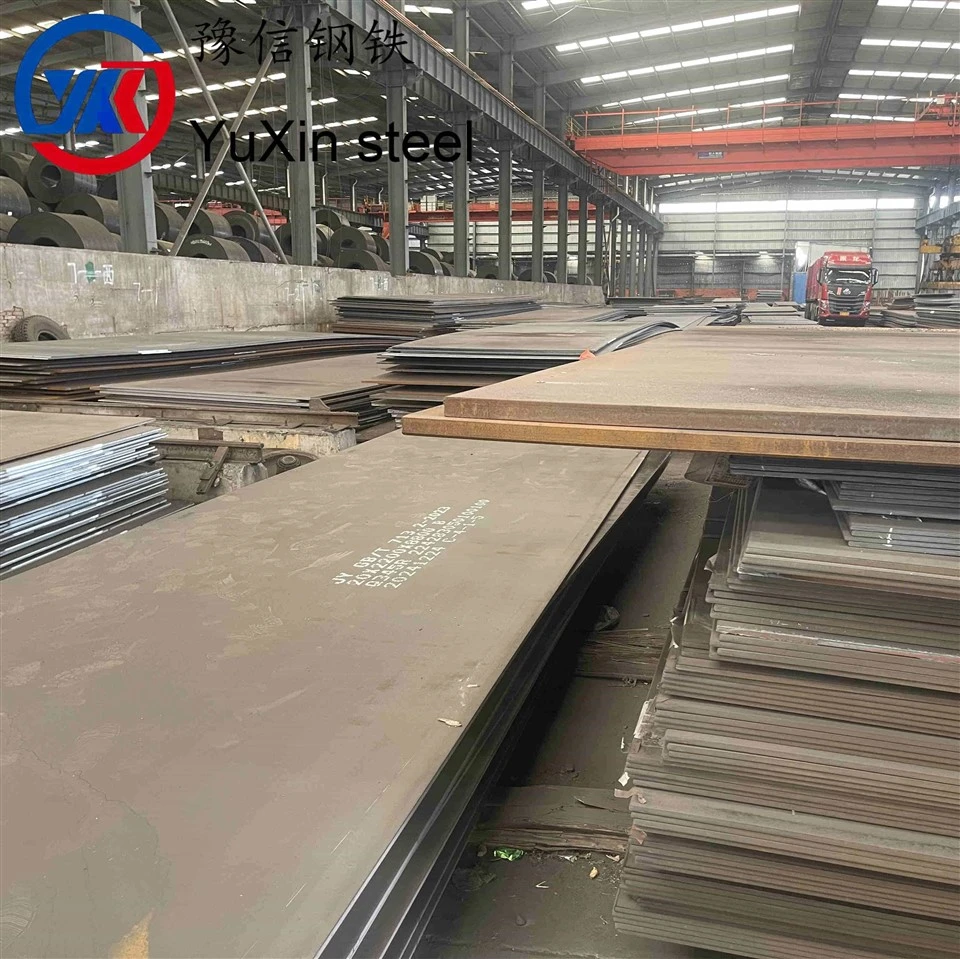
At the final stage, before the steel plates are shipped to our customers, we conduct a final inspection. This includes a comprehensive check of all the quality parameters, including the plate's flatness, straightness, and surface finish. Only when the steel plates pass all the quality control checks are they approved for shipment.
4. Compliance with International Standards
We are committed to meeting and exceeding international quality standards for shipbuilding steel plates. Our products comply with standards such as ASTM, ABS, CCS, BV, and LR.
ASTM A131 / BV / LR Grade B Shipbuilding Steel Plate is one of our popular products that meets the requirements of ASTM A131, as well as the standards set by Bureau Veritas (BV) and Lloyd's Register (LR). These standards define the chemical composition, mechanical properties, and testing methods for shipbuilding steel plates.
CCS Grade E Shipbuilding Steel Plate complies with the standards of the China Classification Society (CCS). CCS has strict requirements for the quality and performance of shipbuilding materials to ensure the safety of vessels operating in Chinese waters and around the world.
ABS Grade A Steel Plate adheres to the standards of the American Bureau of Shipping (ABS). ABS is a well - respected classification society that sets high standards for the design, construction, and operation of ships.
5. Quality Assurance through Research and Development
We continuously invest in research and development to improve the quality of our steel plates. Our R & D team works on developing new steel grades with enhanced properties, such as higher strength, better corrosion resistance, and improved weldability.
For example, AH36, DH36, EH36 Steel Plate For Shipbuilding are high - strength structural steels that are widely used in shipbuilding. Our R & D efforts have focused on optimizing the chemical composition and manufacturing process of these steel grades to improve their performance in harsh marine environments.
We also collaborate with research institutions and universities to stay at the forefront of steel technology. This allows us to incorporate the latest research findings into our production process and ensure the highest quality of our products.
6. Customer Feedback and Continuous Improvement
Customer feedback is invaluable to us. We actively seek input from our customers regarding the quality of our steel plates and their overall experience with our products and services.
By listening to our customers, we can identify areas for improvement and take corrective actions. Whether it is improving the packaging of the steel plates to prevent damage during transportation or enhancing the delivery time, we are committed to continuous improvement.
Conclusion
Ensuring the quality of steel plates for shipbuilding is a complex and multi - faceted process. By focusing on raw material sourcing, advanced manufacturing processes, stringent quality control checks, compliance with international standards, research and development, and continuous improvement based on customer feedback, we are able to provide our customers with high - quality steel plates that meet their specific requirements.
If you are in the market for high - quality steel plates for shipbuilding, we invite you to contact us for procurement and negotiation. We are confident that our products will exceed your expectations and contribute to the success of your shipbuilding projects.
References
- ASTM International Standards for Shipbuilding Steel
- American Bureau of Shipping (ABS) Rules for Building and Classing Steel Vessels
- China Classification Society (CCS) Rules for the Construction and Classification of Sea - going Steel Ships
- Bureau Veritas (BV) Rules for the Classification of Steel Ships
- Lloyd's Register (LR) Rules and Regulations for the Classification of Ships